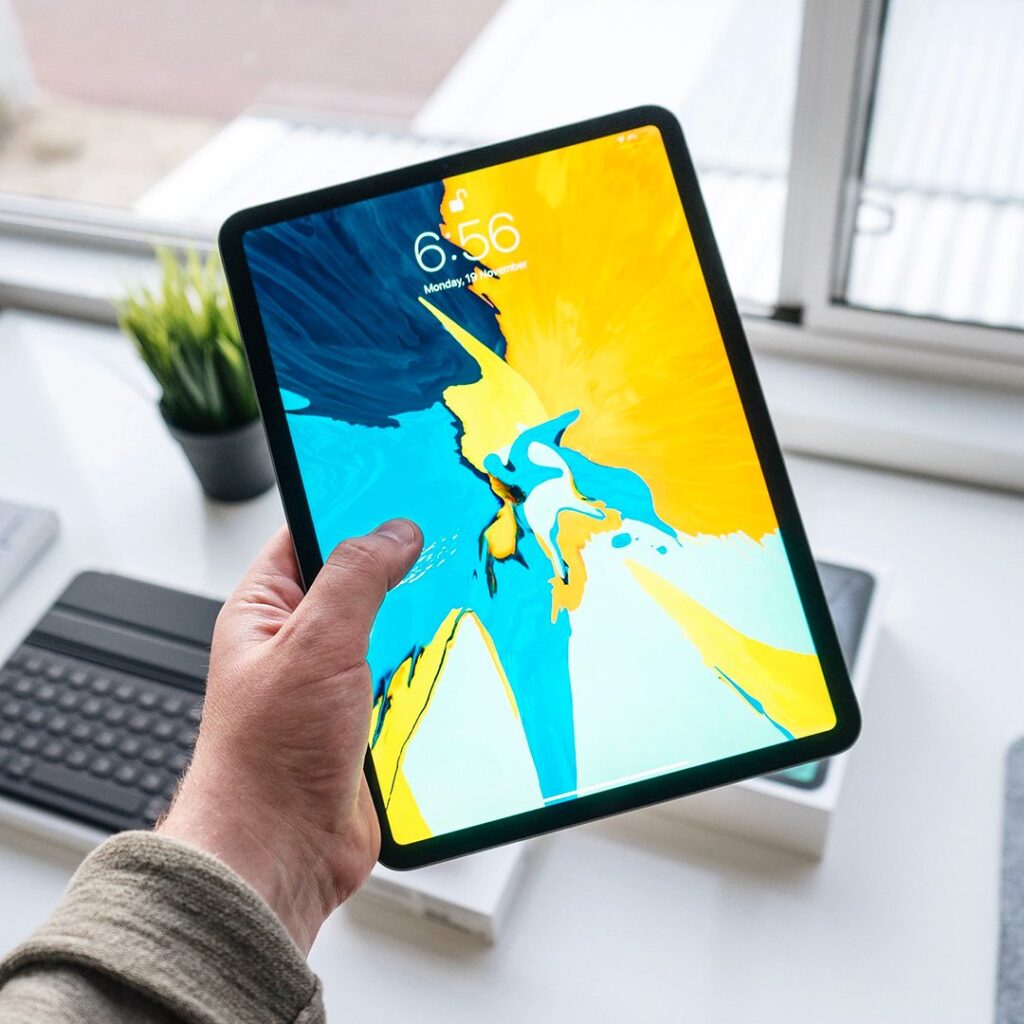
Sam, a 23‑year‑old software developer from Birmingham, logged into a mobile tournament on a rainy Thursday. He hadn’t expected more than a few hours of casual play, but the leaderboard showed him in the top three of a £2,500 prize pool. That night, his phone buzzed with a notification: “You’ve won £1,200.” The experience sparked a question that many UK gamers are asking: how can a handheld device launch a career in esports?
In the past three years, mobile esports tournaments in the UK have seen a 150 % rise in registered participants. The most popular titles—PUBG Mobile, Call of Duty: Mobile, and Arena of Valor—collectively host over 5 million active players each month. Sponsorship deals have grown too; a single event in 2024 drew £500,000 in prize money, a figure that dwarfs the average £20,000 for many PC tournaments.
Teams now recruit from university esports clubs, social media groups, and even local gaming cafes. The average winning margin in a top-tier mobile championship is roughly 12 %, meaning a single match can swing a player from mid‑rank to the podium.
Unlike traditional esports, mobile players benefit from the ubiquity of their devices. A typical training routine for a competitive mobile gamer includes:
Equipment matters. A budget of £300 for a gaming phone and a 5 Gbps home internet connection can shave minutes off load times, giving a measurable edge in split‑second decision making.
While raw skill is essential, the rise of mobile esports is also a story about community. Discord servers now host live coaching streams, where seasoned players break down the latest patch changes. A 2024 survey found that 68 % of professional mobile gamers credit community support as their biggest growth factor.
Coaching packages range from £50 for a single session to £500 for a month‑long intensive. Players who invest in structured coaching see, on average, a 15 % improvement in win rate within the first three months.
For those who enjoy gaming, the same skill set can translate to online casino platforms, where quick reflexes and strategic thinking pay off—visit the homepage for more details.
For many, mobile esports is more than a pastime. A study by the UK Gaming Association in 2023 reported that 22 % of competitive mobile players earn a full‑time income from streaming, sponsorships, and tournament winnings. In regions like Manchester and Leeds, local businesses are sponsoring teams, offering free gear, and hosting meet‑ups, turning the sport into a local economy driver.
However, not every player finds the same success. The competitive scene is highly volatile; a patch update can shift meta, rendering a previously dominant strategy obsolete. Players who fail to adapt quickly may see their rankings drop by up to 30 % in a single season.
Mobile esports is part of a larger shift toward on‑demand, mobile‑first entertainment. From streaming services to interactive storytelling apps, the trend is clear: people want instant access to high‑quality experiences wherever they are. For those who enjoy gaming, this means a wider array of platforms to explore—whether that’s a competitive match or a casual puzzle.
In the same vein, many gamers find themselves drawn to other online activities that blend leisure and skill. For instance, a popular online game that rewards quick reflexes and strategic thinking has become a favorite pastime for those looking to unwind after a long day at work. These games often feature community events, leaderboards, and occasional cash prizes, creating a social atmosphere that mirrors the competitive spirit of esports.
As the line between casual and competitive gaming blurs, the potential for new revenue streams grows. Developers are experimenting with micro‑transactions, in‑game advertising, and subscription models that cater to both casual players and hardcore enthusiasts. This hybrid approach ensures that even those who only play a few hours a week can enjoy a rich, engaging experience without breaking the bank.

For many, the appeal lies in the convenience. A simple tap on a smartphone can transport you to a virtual arena, a virtual dance floor, or a virtual escape room, all while staying connected to friends and family. This flexibility has made mobile entertainment a staple in households across the UK, especially as people seek ways to stay entertained during lockdowns or while commuting.
Moreover, the rise of mobile esports has sparked interest in related fields such as game design, marketing, and data analytics. Universities are now offering courses that combine coding, design, and business skills tailored to the gaming industry. Graduates who can navigate both the creative and commercial sides of gaming find themselves in high demand, opening doors to careers that were once unimaginable.
With 5G rolling out nationwide, latency will drop further, making real‑time multiplayer even smoother. Developers are already teasing new titles that integrate augmented reality, promising to blur the line between the physical and digital worlds.
Meanwhile, the UK government has pledged to support esports infrastructure, offering grants for community centers to build dedicated gaming rooms. If these plans materialise, the next generation of mobile gamers will have access to professional‑grade equipment and coaching from day one.
The rise of mobile esports in the UK is no longer a niche trend; it’s a full‑blown movement that offers tangible rewards for those willing to invest time and resources. From the first notification of a win to the roar of a live audience, the journey is accessible, thrilling, and increasingly profitable. As technology advances and community support grows, the next big champion could be right next door, waiting for the right moment to claim the prize.
Mobile tournaments offer large prize pools and accessible entry, allowing players to earn significant winnings with minimal equipment.
Sign up on reputable platforms, practice on official game servers, and participate in local or online tournaments to build your ranking.
Strong hand-eye coordination, quick decision-making, and in-depth game knowledge are key, alongside consistent practice and strategic learning.
While top players can earn a living, most benefit from a hybrid approach—combining gaming with freelance or part-time work to ensure financial stability.