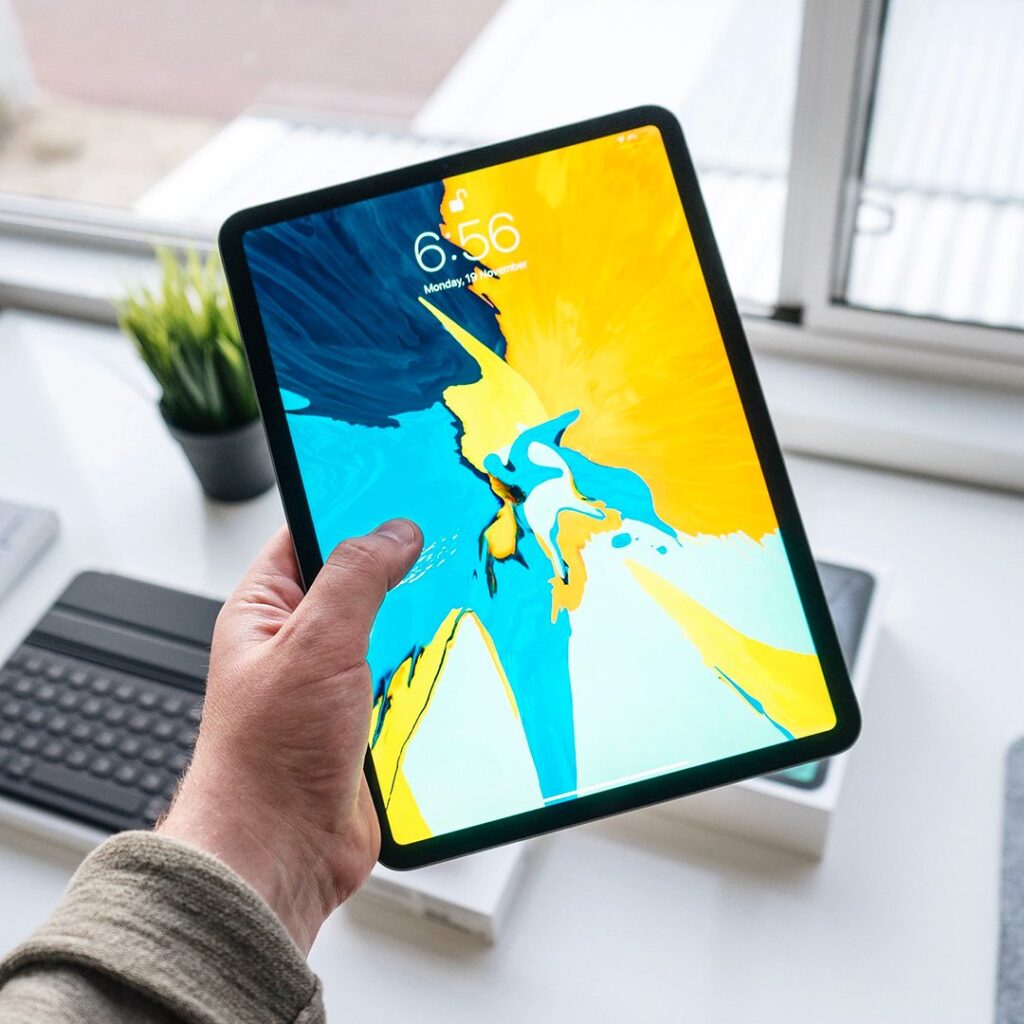
It’s not a new genre or a fancy console; it’s the smartphone that’s taken the lead. In 2023, mobile esports tournaments drew a combined prize pool of $12 million, up 35 % from 2022. That surge isn’t just numbers—it shows how a device you carry in your pocket is reshaping competitive play.
Take Mobile Legends: Bang Bang and Apex Legends Mobile. Both offer 5‑v‑5 team battles, hero pick phases, and a ping system that mirrors their desktop counterparts. The biggest technical leap came in 2022 when Qualcomm released the Snapdragon 8 Gen 2, giving phones 50 % more CPU power and 30 % faster GPU rendering. Players now experience frame rates of 120 fps on mid‑range devices, a threshold that was once the domain of high‑end laptops.
Another factor is cross‑platform matchmaking. Riot Games’ League of Legends: Wild Rift uses the same matchmaking algorithm as the PC version, ensuring that a player who wins on a phone can face the same skill tier as anyone on a desktop. That parity has made it easier for regional leagues to merge, creating a unified world championship that streams on both mobile and PC.
Latency is a constant concern. Even with 5G, a 20 ms lag can be the difference between a perfect combo and a missed kill. Teams now train on dedicated 5G hotspots and use wired connections to their routers during practice to keep ping below 15 ms. Another hurdle is controller support. While touchscreens are convenient, many pros use Bluetooth gamepads to gain precision. However, not all phones support the same controller standards, forcing teams to standardize on a single device type—usually the Samsung Galaxy S23 Ultra, which offers native gamepad support and a 120 Hz display.
Physical strain is also a factor. Playing long sessions on a phone can lead to wrist fatigue. To counter this, several teams have adopted ergonomic stands and custom grips. These accessories reduce strain by up to 40 %, according to a 2024 survey of 200 pro players.
Viewers on smartphones can interact in real time. In the PUBG Mobile Pro League, a 2024 match drew 3 million concurrent mobile viewers, a 25 % increase over the previous year. Live polls and reaction emojis are built into the streaming app, giving fans a voice that was previously limited to Discord or Twitter. This immediacy boosts engagement: matches that incorporate real‑time viewer voting for in‑game objectives see a 15 % higher watch time.
Revenue streams have shifted too. In 2023, in‑app purchases for cosmetic skins in mobile esports titles generated $400 million, surpassing the $350 million earned from traditional PC skins that year. The convenience of purchasing with a single tap has made microtransactions a mainstay of the business model.
Even seasoned players can unwind with a quick spin at an online casino, and you can visit the official site for a seamless gaming experience.
Yes, and it’s already happening. Many players start on mobile, then transition to PC for more complex titles. The skill sets overlap: reflexes, map awareness, and team coordination are core to both. In fact, the Mobile Legends: World Championship 2024 featured a mixed‑team qualifier where mobile pros faced PC‑only squads, and the mobile team won two out of three matches.
For those curious about how this mobile trend blends with broader online entertainment, you can check out the official site for a range of travel and adventure options that keep you refreshed between tournaments.

Hardware will keep advancing. Samsung’s upcoming Exynos 2400 promises a 25 % boost in AI processing, which could power smarter in‑game assistants. Game developers are also exploring cloud gaming on mobile, allowing high‑end titles to run on remote servers while the phone handles input and display. This could bring titles like Fortnite and Dota 2 to smartphones without compromising performance.
Regulation is another front. In 2024, the International Esports Federation proposed guidelines for age verification on mobile tournaments, aiming to protect younger players while keeping the scene accessible. The response has been mixed; some leagues have adopted stricter measures, while others rely on community moderation.
Smartphones have moved from casual play to full‑blown competition. They offer the same depth of strategy as PC titles, but with the added convenience of on‑the‑go accessibility. The challenges—latency, controller compatibility, physical strain—are being tackled with hardware tweaks and new training methods. Meanwhile, audiences enjoy richer interaction, and revenue streams are shifting toward in‑app purchases. As the line blurs between mobile and traditional esports, the next wave of champions will likely be those who can master both worlds.
Mobile titles offer accessible hardware, large audiences, and competitive mechanics that rival PC games, making them the new frontier for esports growth.
Games like Mobile Legends and Apex Legends Mobile provide 5‑v‑5 team battles, hero pick phases, and ping systems that mirror desktop experiences.
The top titles include Mobile Legends: Bang Bang, League of Legends: Wild Rift, and Apex Legends Mobile, each drawing millions of players worldwide.