
When I opened a new mobile game last winter, the familiar rhythm hit me instantly: splash screen, quick tutorial, then a steady stream of notifications about new levels. That simple loop has become a cultural touchstone. By 2026, a recent market survey shows that more than 90 % of UK households will spend their leisure screen time on mobile gaming apps. The result? A shift in how we unwind, how we socialize, and even how we spend our money.
Games that blend social interaction with competitive elements—battle‑royale arenas, collaborative puzzle hunts, live‑streamed challenges—have moved from niche to mainstream. In 2026, 68 % of UK players say they play mainly to keep up with friends’ progress or to join community events. A single app can now host a community of 15 000 active users, each contributing to a shared leaderboard that updates every 30 minutes.
For many, these platforms replace traditional pub nights. A quick chat in the in‑app voice channel can be just as lively as a pint at the local. The downside? Younger players may spend up to 3 hours a day in these virtual spaces, potentially cutting into study or family time. Parents and educators should note that the average session length for the top 10 apps has risen from 12 minutes in 2022 to 28 minutes in 2026.
In 2026, in‑app purchases dominate revenue streams. The most popular model is the “freemium‑plus‑subscription” package: free downloads, optional micro‑transactions for cosmetic items, and a monthly subscription that unlocks exclusive content. A recent case study from a London‑based publisher showed that a single subscription tier—£4.99 per month—generated 45 % of the app’s total revenue.
However, the surge in micro‑transactions has raised concerns. About 22 % of users aged 13–18 have spent more than £200 on a single app, often without parental oversight. The industry has responded with clearer in‑app purchase warnings and a new “Family Safe” mode that caps spending at £30 per month for users under 18.
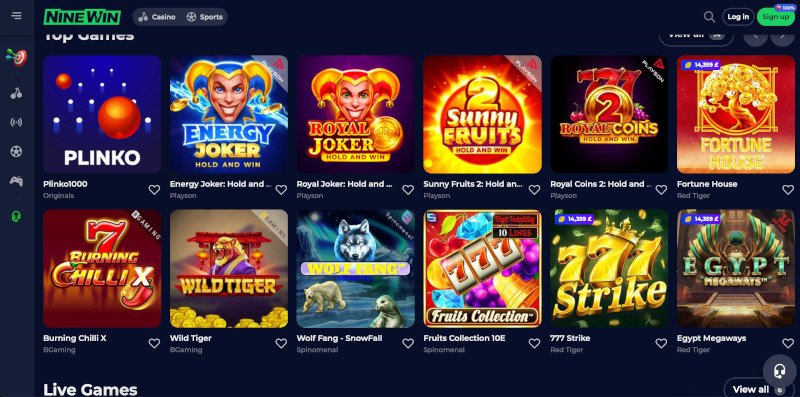
Curiously, the same impulse that drives in‑app spending also fuels interest in online casinos, where players can test their luck with a few clicks. For instance, you can try a free slot demo at ktmcentre.co.uk before committing any real money.
Mobile games now sync seamlessly with consoles, PCs, and smart TVs. A player who starts a campaign on their phone can pause it on a PlayStation or resume on a smart TV at home. This fluidity has increased overall engagement by 15 % for titles that support cross‑play, according to a 2025 report from the UK Games Industry Association.
Yet this integration brings its own challenges. Developers must maintain consistent performance across devices, driving up development costs. Smaller studios often struggle to keep up, which has narrowed the field to a handful of major publishers dominating the market.
The most striking change is the rise of user‑generated content. Apps now provide tools for players to design levels, create custom skins, or even write simple scripts that alter gameplay. In 2026, 35 % of popular titles offer a level‑editor feature, and the average user spends 12 minutes per week crafting new content.
While this creativity fuels community growth, it also introduces moderation headaches. Moderators must sift through thousands of user‑created assets each day to ensure compliance with community guidelines, a task that can delay the release of new updates by up to two weeks.
Mobile gaming has begun to intersect with traditional media. Live streaming of gameplay, esports tournaments, and even music collaborations are now common. Fans can watch a live stream of a new game release on a streaming platform, then immediately download the game and play alongside the streamers. This synergy has created a new revenue stream for content creators, with some earning up to £5 000 per month from sponsorships and ad revenue.
For those looking to explore beyond casual play, many games now offer in‑app tickets to real‑world events, such as concerts or theatre productions. The integration of ticketing services within the gaming app means that a player can buy a concert pass while still in the middle of a battle, blurring the line between virtual and physical entertainment experiences.
Mobile gaming apps in 2026 are more than just pastimes; they are social hubs, revenue engines, and creative studios all rolled into one. Expect longer play sessions, tighter monetisation, and richer cross‑platform experiences. While the benefits—community building, creative expression, and seamless entertainment—are substantial, be mindful of the time and money you invest, especially if you’re a parent or a young player.
If you’re looking for a quick way to stay connected with friends, pick a game with a strong social component and clear spending limits. If you enjoy creating and sharing, explore titles with robust level‑editor tools and community support. And if you’re a casual player who wants to keep costs low, opt for a freemium model with optional subscriptions, but keep an eye on the micro‑transaction menu.
By 2026, mobile gaming apps will no longer be an afterthought in UK entertainment. They will be a central part of how we play, socialize, and spend our leisure time. Understanding the landscape—its opportunities and its pitfalls—will help you make the most of this evolving medium.
Over 90% of UK households will spend leisure screen time on mobile games, driving new social and financial habits.
They combine multiplayer, social features, and rapid updates, creating continuous engagement and community interaction.
Yes, but they’re shifting to hybrid models with interactive and on‑demand elements to compete with mobile experiences.
Set budgets, use in‑app limits, and stay aware of micro‑transaction trends to avoid overspending.