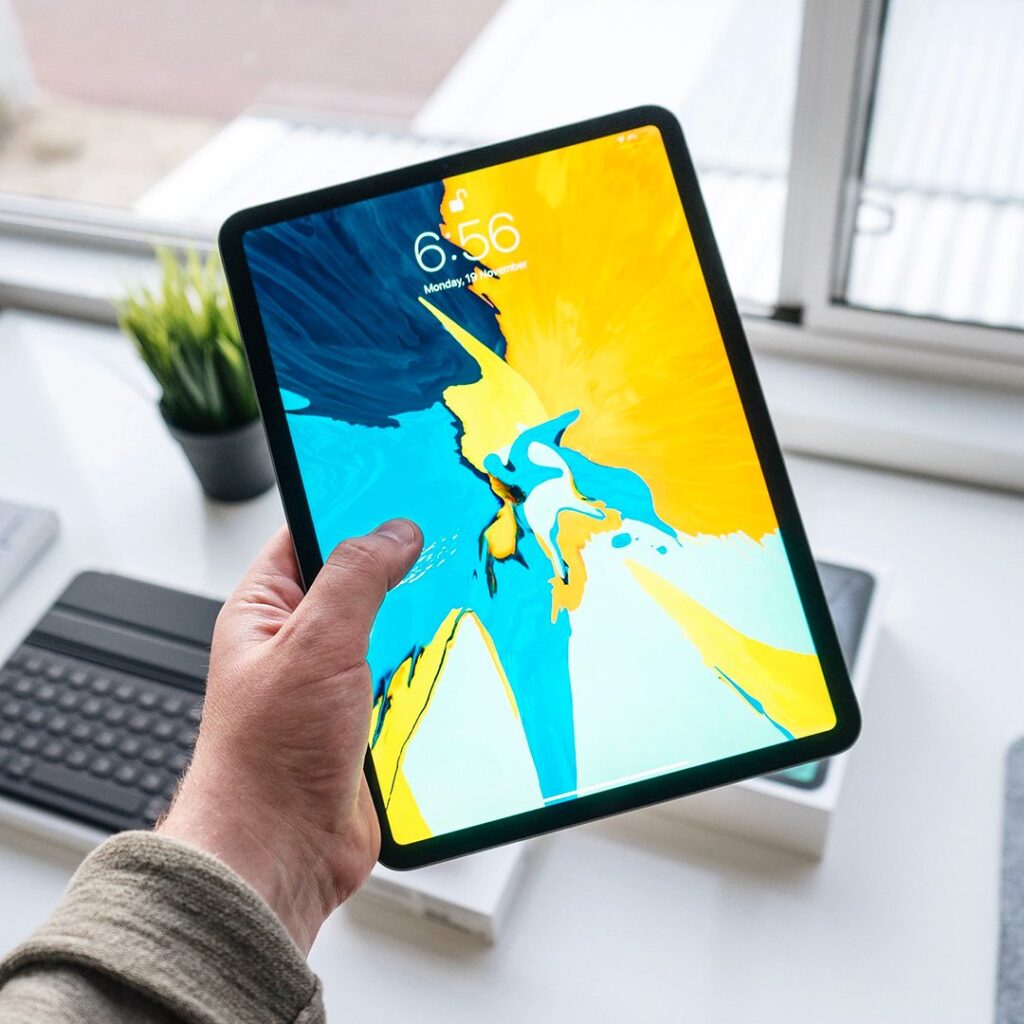
Emma, a 28‑year‑old graphic designer in Manchester, spent her lunch breaks scrolling through a handful of apps. She noticed that the time she lost on a coffee shop table was the same amount she could spend on a quick, immersive game. By the end of the week, she had spent 90 minutes playing a casual title that earned her a new character skin and a leaderboard spot. That small shift in routine sparked a question: what’s driving this sudden surge in mobile play, and how is it reshaping the entertainment landscape?
Global smartphone sales hit 1.4 billion units in 2023, up 4 % from the previous year. In the United States alone, 81 % of adults own a smartphone, and 63 % report playing games on it at least once a week. These figures translate into a market that surpassed $100 billion in revenue last year, with an annual growth rate of 8 % projected through 2028. The sheer volume of users means that even niche genres can find a sizable audience if they’re optimized for mobile.
Developers now design with “tap, swipe, hold” in mind from the outset. A 2024 study by the Mobile Gaming Association showed that 72 % of players prefer games that require less than 30 seconds per session. That’s why endless runners, puzzle titles, and incremental clickers dominate the charts. The success of a game like “Candy Crush Saga” (over 2 billion downloads) demonstrates how simple mechanics can drive long‑term engagement when paired with a reward loop that rewards quick play.
If you’re looking to test your luck in online casino games, check out https://cryoliverpool.co.uk/ for a chance to win big.
Free‑to‑play remains the standard, but the way revenue is generated has shifted. In‑app purchases now account for 70 % of mobile game revenue, compared with 55 % for console titles in 2021. Cosmetic items, battle passes, and time‑saving boosts are the most common purchase categories. A notable limitation is that these models can create “pay‑to‑win” perceptions, which can alienate players who prefer skill over spending. The key is transparency: clearly labeling what a purchase does and offering a fair, non‑pay‑to‑win experience.
Many successful franchises release simultaneously on mobile, console, and PC. “Fortnite” launched its mobile version in 2018, and by 2024 it had 200 million monthly active users across all platforms. This cross‑play capability keeps the player base unified, allowing developers to push updates that benefit everyone. The downside? Mobile ports sometimes suffer from lower resolution or reduced content, which can frustrate hardcore fans.

Gamers now expect social features: leaderboards, friend lists, and in‑game chat are standard. According to a 2023 survey, 58 % of mobile gamers say they play more often when they can compete against friends. Streaming platforms like Twitch have also embraced mobile streaming, enabling players to broadcast gameplay from their phones. However, privacy concerns around data sharing remain a challenge for many users.
While mobile gaming thrives on the go, it also serves as a gateway to broader entertainment ecosystems. Many players use their phones to access streaming services, watch short clips, or engage with social media during short breaks. This fluidity between gaming, video, and social content turns the smartphone into a single hub for digital leisure. For example, a user might finish a level, then instantly switch to a live sports stream or a short comedy clip, all without leaving the device.
Augmented reality (AR) is poised to blur the line between virtual and real worlds. Titles like “Pokémon GO” already show that location‑based AR can drive physical activity and social interaction. With 5G rollout reaching 80 % coverage in urban areas by 2025, developers can deliver high‑definition graphics and low‑latency multiplayer experiences directly to phones. The challenge will be ensuring that these advances remain accessible to users with older hardware.
Smartphones have become the primary platform for casual and even hardcore gamers alike. Their ubiquity, coupled with thoughtful design and monetization strategies, has turned mobile gaming into a global entertainment powerhouse. As technology advances, the line between mobile gaming and other digital experiences will blur even further, making the phone the central hub for how we play, watch, and connect.
Short, rewarding loops and instant feedback hook players, making each minute feel productive and enjoyable.
Yes, strategic breaks reduce mental fatigue, allowing you to return to work refreshed and focused.